

This member tool walks you through the key areas of a masking support plan — strengths, communication, sensory needs, recovery, and selected home and school strategies — and compiles your answers into an editable plan you can print or download as a PDF.
You'll choose strategies from curated lists (which Madeleine maintains) and add your own. The plan is a practical summary of your selections, not a professional recommendation.
Member tool preview
This member tool guides you through 15 areas of a masking support plan and compiles your answers into an editable, printable PDF. Choose from curated strategy lists and add your own.
Who it's for
Parents & Caregivers, Educators
What problem it addresses
Masking
How it works
Step-by-step questions with examples, skip options and private notes. No score, no diagnosis, no AI advice.
What you'll receive
An editable Editable plan you can print or download as a PDF.
Areas this tool covers
Areas covered: strengths · communication preferences · possible masking patterns · environments · high-effort situations · sensory needs · help-seeking barriers · recovery · home strategies · school strategies · accommodations · trusted adults · check-in methods · communication preferences · next steps.
Important
This plan is a practical summary of your selections and observations. It is not a professional recommendation or diagnosis.
Related content
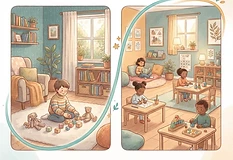
Home and School Experience Comparison
Compare what a child's experience looks like at home and at school across everyday areas — without diagnosing the differences.

Signs of Masking Observation Tool
Record possible masking-related observations across environments without diagnosing or labelling the child.

School Conversation & Meeting Planner
Prepare a clear agenda, talking points, question list and editable email for a school conversation.
Your answers, notes and results are private and not indexed by search engines.